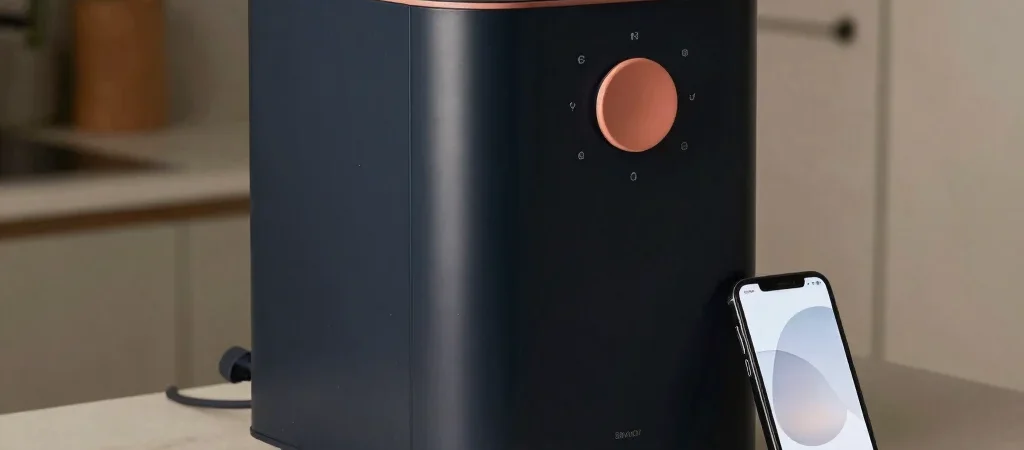
The appliance is in your kitchen, the receipt is in your inbox and the app is on your phone. Then a feature is moved behind a recurring charge, or the service it depends on is changed. That is the awkward gap between owning the object and relying on a service to make it useful.
Separate the device from its service
A connected product may combine physical hardware, software and online features, each with different terms. A subscription might pay for cloud storage, remote access or extra functions, rather than the basic operation of the device. The distinction matters: if the service ends, what still works locally, and what becomes unavailable?
Read past the feature list
Before buying, look for the ongoing cost, the length of any trial and what happens if you do not renew. Check whether the product needs an account, an internet connection or a particular app for everyday use, and whether the seller explains what happens if support ends. If those answers are hard to find, treat that uncertainty as part of the price.
Make the ownership question practical
Imagine the company switches off its service next year. Would you still be able to use the core function, access your settings or retrieve your data? The answer may not be a simple yes or no, but asking it before checkout gives you a better view of what you are actually buying: a product, a service, or a little of both.